
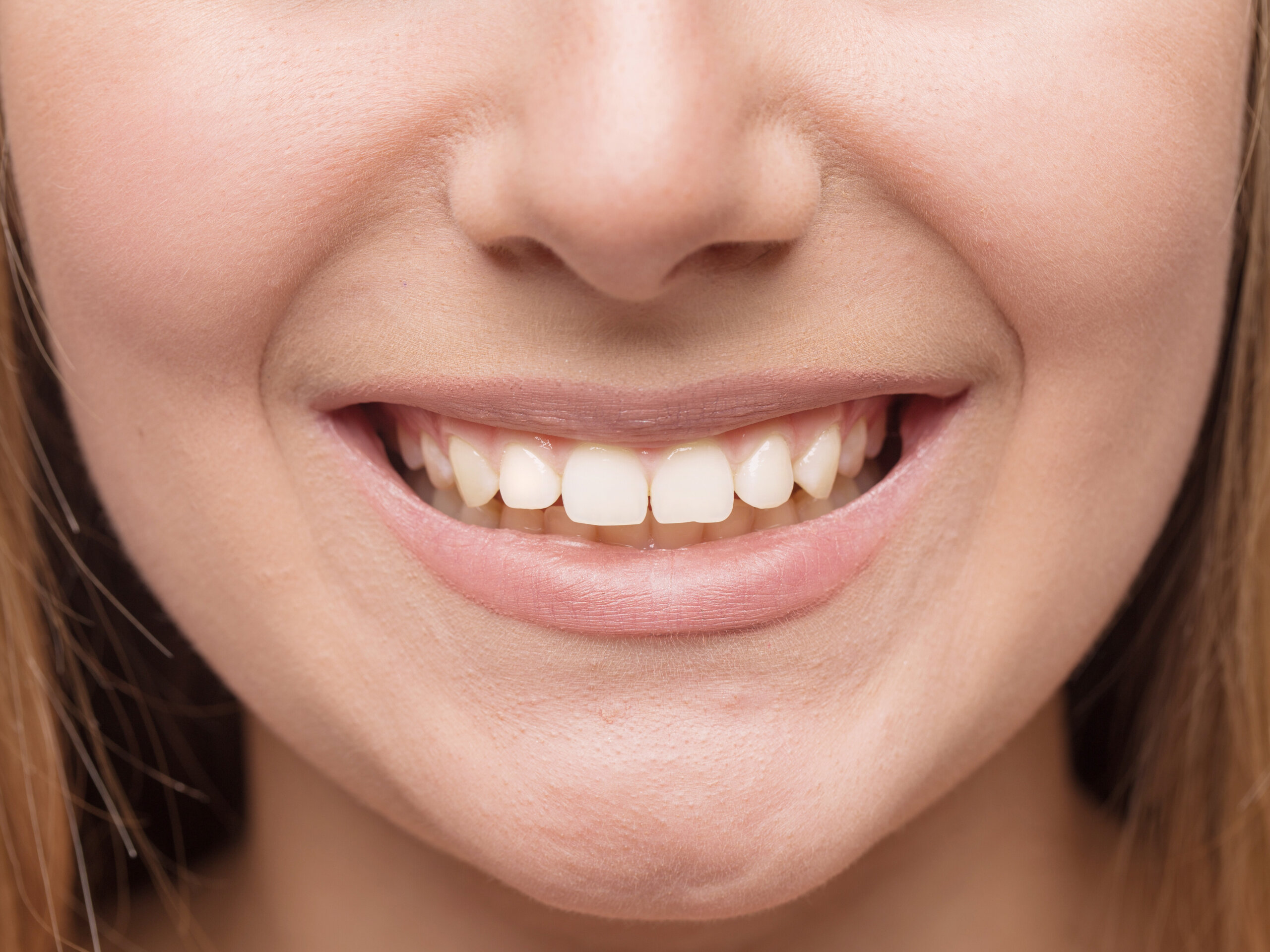
An overbite is more than a visible overlap between the upper and lower front teeth. When the bite is too deep, or the upper teeth sit too far forward, it can affect chewing, speech, tooth wear, gum health, and jaw comfort. This guide explains what causes an overbite, how it is diagnosed, and which treatment options may help restore a healthier bite.
What Is an Overbite?
An overbite is a type of dental misalignment where the upper front teeth overlap the lower front teeth more than they should. A slight overlap is normal and helps the teeth meet comfortably during biting and chewing. However, when the overlap becomes excessive, it may create functional, aesthetic, and long-term oral health concerns.
In many cases, people notice an overbite because of the way their smile looks. However, the condition is not only cosmetic. A deep or severe overbite can place pressure on the teeth, gums, and jaw joints. Over time, this may lead to enamel wear, gum irritation, jaw discomfort, headaches, or difficulty biting food properly.
The severity of an overbite can vary. Some people have a mild overlap that only requires monitoring, while others may need orthodontic treatment or, in more complex cases, jaw surgery. A professional dental examination is the safest way to understand whether the bite is within a healthy range.
Types of Overbite
Overbites are not all the same. The cause of the bite problem often determines the most suitable treatment approach. The table below explains the main difference between dental and skeletal overbites.
| Type of Overbite | Main Cause | Common Treatment Approach |
| Dental overbite | The teeth are positioned incorrectly within the jaw arches. | Braces, clear aligners, or other orthodontic appliances may help move the teeth into better alignment. |
| Skeletal overbite | The upper and lower jaws do not align properly because of jaw size or position. | Orthodontic treatment may be combined with corrective jaw surgery in severe adult cases. |
A dental overbite is often related to tooth position, crowding, or childhood habits such as thumb sucking. A skeletal overbite is more complex because it involves the structure of the jawbones. This distinction is important because moving the teeth alone may not fully correct a severe skeletal bite issue.
Overbites can also be described by the direction of the overlap. A vertical overbite, also called a deep bite, happens when the upper teeth cover too much of the lower front teeth. A horizontal overbite, sometimes associated with protruding front teeth, happens when the upper teeth sit too far forward.
Common Causes of Overbite
An overbite may develop due to genetics, childhood habits, dental crowding, or a combination of these factors. The causes below are among the most common reasons a person may develop an excessive bite overlap.
- Genetics: Jaw size, tooth size, and bite structure can be inherited from family members.
- Thumb sucking or finger sucking: If these habits continue beyond early childhood, they may affect jaw growth and tooth position.
- Extended pacifier use: Long-term pacifier use can place pressure on developing teeth and jaws.
- Tongue thrusting: Pushing the tongue against the front teeth during swallowing or speaking may contribute to misalignment.
- Crowded teeth: Lack of space in the jaw can cause teeth to erupt in an incorrect position.
- Premature baby tooth loss: Losing baby teeth too early may affect how permanent teeth come in.
- Bruxism: Teeth grinding can worsen bite pressure and contribute to tooth wear.
Not every cause can be prevented, especially when jaw structure is inherited. However, early dental check-ups can help identify bite problems before they become more difficult to treat.
Symptoms of an Overbite
Some overbites are easy to see, while others are noticed because of discomfort or functional problems. The following signs may suggest that an overbite needs professional evaluation.
- The upper front teeth visibly overlap the lower front teeth.
- The lower teeth touch the roof of the mouth or the gum tissue behind the upper teeth.
- Chewing or biting feels uncomfortable.
- The front teeth show signs of enamel wear or chipping.
- Jaw pain, facial discomfort, or headaches occur regularly.
- The jaw clicks, pops, or feels tense.
- Speech sounds are affected, especially “s” or “z” sounds.
- Brushing and flossing around crowded or overlapping teeth feels difficult.
A mild overbite may not cause obvious symptoms at first. However, symptoms can become more noticeable over time if the teeth or jaw joints are under repeated stress. For this reason, a dental assessment is useful even when the issue seems mainly cosmetic.
How an Overbite Can Affect Oral Health
An untreated overbite can affect more than smile appearance. When the teeth do not meet evenly, chewing forces may be distributed incorrectly. This can place extra pressure on specific teeth and soft tissues.
One common concern is tooth wear. If the lower teeth repeatedly hit the back of the upper teeth, the enamel may gradually wear down. In some cases, teeth may become more sensitive or vulnerable to cracks and chips.
Another issue is gum irritation. A deep bite may cause the lower front teeth to press into the gum tissue behind the upper teeth. Over time, this can contribute to inflammation, recession, or discomfort.
An overbite may also affect the temporomandibular joint, commonly known as the TMJ. When the bite is imbalanced, the jaw joints and surrounding muscles may work harder than normal. This can lead to jaw tension, headaches, facial pain, or difficulty opening and closing the mouth comfortably.
Speech and chewing may also be affected. Teeth and jaw position play an important role in pronunciation and food breakdown. For some patients, correcting the bite can improve speech clarity and chewing efficiency.
Diagnosing an Overbite
Although a person may notice an overbite by looking in the mirror, a proper diagnosis requires a professional dental or orthodontic examination. Diagnosis helps determine the type, severity, and cause of the bite problem.
A dental professional may use the following assessment methods:
- Clinical examination: The teeth, gums, jaw movement, and bite relationship are checked visually.
- Dental X-rays: Panoramic or cephalometric X-rays provide detailed images of tooth roots, jawbones, and skeletal relationships, helping identify underlying issues that are not visible during a clinical exam.
- Digital scans or impressions: These create a model of the bite and help with treatment planning.
- Photographs: Intraoral and facial photos may be used to document the starting point and monitor progress.
This process helps determine whether the overbite is mainly dental or skeletal. It also allows the dentist or orthodontist to recommend a treatment plan based on the patient’s age, oral health, and bite structure.
Can an Overbite Be Prevented?
Some overbites are related to genetics and cannot be fully prevented. However, certain childhood habits can increase the risk of dental misalignment. Early guidance can reduce the chance of the problem becoming more severe.
Parents can support healthy bite development by helping children stop thumb sucking, finger sucking, and long-term pacifier use at the appropriate age. Tongue thrusting should also be evaluated if it continues and appears to affect tooth position.
Regular dental check-ups are especially important during childhood. A dentist can monitor jaw growth, tooth eruption, and spacing. If baby teeth are lost too early, the dentist may recommend a space maintainer to help permanent teeth erupt correctly.
For adults, prevention focuses more on protecting oral health and preventing the bite from worsening. Managing teeth grinding, replacing missing teeth when needed, and attending routine dental exams can help reduce unnecessary pressure on the teeth and jaw.
Overbite Treatment Options
An overbite will not usually correct itself without professional care. Treatment depends on the patient’s age, the severity of the bite, and whether the issue is dental or skeletal. The options below are commonly used to improve bite alignment.
Braces
Traditional braces are one of the most widely used treatments for overbite correction. Brackets and wires apply controlled pressure to gradually move the teeth into better positions. Braces may be recommended for mild, moderate, or more complex cases, depending on the treatment plan.
Braces can also be combined with other orthodontic appliances when jaw growth or bite positioning needs additional support. They are suitable for both children and adults.
Clear Aligners
Clear aligners may be suitable for mild to moderate overbites. These removable trays are custom-made and changed in sequence to guide the teeth gradually. Many adults and teenagers prefer aligners because they are less visible than traditional braces.
However, clear aligners are not suitable for every overbite. Severe bite problems or skeletal discrepancies may require braces, appliances, or surgical planning.
Orthodontic Appliances
In children and teenagers, orthodontic appliances may be used to guide jaw development while growth is still active. These appliances can help improve the relationship between the upper and lower jaws before the bite becomes more difficult to correct.
Examples may include functional appliances, palate expanders, or habit-breaking appliances. The choice depends on the child’s age, growth pattern, and bite condition.
Tooth Extraction
In some cases, tooth extraction may be recommended to create space for alignment. This is not necessary for every patient, but it may be part of treatment when crowding is severe or when the teeth need more room to move into a healthier position.
Corrective Jaw Surgery
For severe skeletal overbites in adults, orthodontic treatment alone may not be enough. Corrective jaw surgery, also known as orthognathic surgery, may be considered when the jawbones need repositioning.
Jaw surgery is usually planned with orthodontic treatment before and after the operation. This combined approach helps align both the jaws and teeth for improved function, balance, and facial harmony.
Overbite Treatment in Children and Adults
Age plays an important role in treatment planning. Children and adults can both be treated successfully, but the approach may differ because children are still growing.
In children, early intervention may help guide jaw development and reduce the need for more complex treatment later. Orthodontists may use growth modification appliances, habit-breaking appliances, or phased treatment to support proper alignment.
In adults, jaw growth is complete. This means treatment usually focuses on moving the teeth or, in severe skeletal cases, combining orthodontics with jaw surgery. Adult treatment may take longer in some cases, but it can still provide great functional and aesthetic improvements.
The best time to treat an overbite depends on the individual case. A professional consultation helps determine whether immediate treatment, monitoring, or staged care is more appropriate.
Benefits of Correcting an Overbite
Correcting an overbite can improve oral health, comfort, and confidence. The benefits are not limited to appearance, especially when the bite has been causing functional problems.
A well-planned treatment may help:
- Reduce abnormal tooth wear.
- Improve chewing comfort.
- Protect gum tissue from repeated trauma.
- Make brushing and flossing easier.
- Reduce strain on the jaw joints.
- Improve speech clarity in some cases.
- Create a more balanced smile and facial profile.
- Lower the risk of future dental complications.
The results depend on the severity of the case and the chosen treatment method. For many patients, the main benefit is a healthier bite that feels more comfortable in daily life.
Choosing a Clinic for Overbite Treatment
Choosing the right dental clinic or orthodontic specialist is an important part of successful treatment. Overbite correction requires accurate diagnosis, careful planning, and regular follow-up.
Before starting treatment, patients should consider the clinic’s experience with bite correction, available treatment options, diagnostic technology, and communication style. A good consultation should clearly explain the type of overbite, treatment alternatives, expected duration, possible limitations, and cost factors.
For patients considering treatment abroad, it is also important to review travel planning, aftercare communication, clinic credentials, and follow-up recommendations. The decision should be based on clinical suitability, not only price or aesthetics.
How Much Does Overbite Treatment Cost?
The cost of overbite treatment varies depending on the complexity of the case and the treatment method. Mild cases treated with clear aligners may have a different cost than complex cases requiring braces, additional appliances, tooth extraction, or jaw surgery.
Several factors can affect the total price:
- The severity of the overbite.
- Whether the issue is dental or skeletal.
- The chosen treatment method.
- Treatment duration.
- Diagnostic imaging and planning needs.
- The clinic’s location and specialist experience.
- Whether surgery is required.
A personalised examination is necessary for an accurate quote. Patients should ask what is included in the treatment plan, such as consultations, X-rays, retainers, follow-up visits, and aftercare.
Final Thoughts on Overbite
An overbite is a common bite problem, but its impact can vary from mild cosmetic concern to significant oral health issue. Understanding the cause and severity is the first step toward choosing the right treatment. With professional diagnosis and a personalised plan, overbite treatment can improve bite function, protect dental health, and support a more confident smile.
Frequently Asked Questions About Overbite
Are overbites genetic?
Yes, genetics can play a major role in overbite development. Jaw size, tooth size, and bite pattern can be inherited. However, habits such as thumb sucking, pacifier use, tongue thrusting, and dental crowding can also contribute.
When does an overbite need treatment?
An overbite may need treatment if it causes tooth wear, jaw pain, gum irritation, chewing problems, speech difficulties, or aesthetic concerns. Children may benefit from early assessment because jaw growth can still be guided. Adults can also receive effective treatment after a full diagnosis.
Can an overbite cause speech problems?
Yes, an overbite can contribute to speech problems in some patients. Tooth and jaw position can affect how the tongue moves during speech. Correcting the bite may improve articulation, especially if the misalignment interferes with certain sounds.
Can clear aligners fix an overbite?
Clear aligners may help correct mild to moderate overbites, especially when the problem is related to tooth position. Severe skeletal overbites may require braces, additional appliances, or jaw surgery. A dental professional can confirm whether aligners are suitable.
Does an overbite get worse with age?
An overbite may become more noticeable over time if it causes tooth wear, gum trauma, or jaw strain. Teeth can also shift with age, especially if there is crowding, tooth loss, or untreated grinding. Regular dental check-ups help monitor changes.
Is overbite treatment only cosmetic?
No. Although many people seek treatment because of smile appearance, overbite correction can also improve oral function and long-term dental health. Treatment may help protect teeth, gums, and jaw joints from ongoing stress.
You may also read our related guide: https://smileteamturkey.com/blog/is-vaping-bad-for-your-teeth/.