
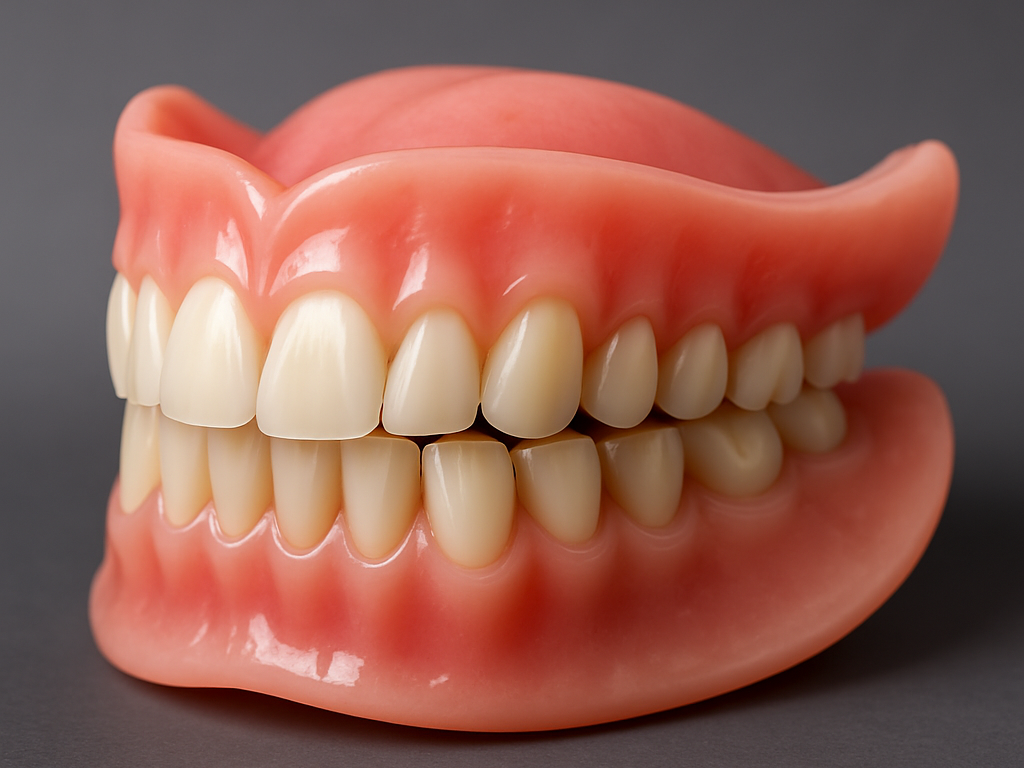
Missing teeth affect far more than appearance, influencing speech, chewing comfort, and long-term oral health. Our guide explains the reasons why you should opt for custom-made dentures, covering how they compare with traditional options, what the fitting process involves, and how to care for them once fitted. Understanding these details beforehand makes it easier to decide whether a custom fit is the right long-term solution for your smile. As a preferred brand for dental treatments such as veneers, dentures, and dental implants in Turkey, Smile Team provides you with all the information you need to know about this treatment and why you should opt for them.
What Are Custom-Made Dentures?
A custom-made denture is a removable dental prosthesis built to replace one or more missing teeth. Unlike mass-produced or stock dentures, every custom set begins with a physical impression of the patient’s mouth, which a dental laboratory then uses to shape a prosthesis that mirrors the exact contours of the gums, jaw ridge, and bite. This impression-based approach is what separates “custom” from “off-the-shelf,” and it is the reason dentists generally recommend it as the standard of care for most patients.
Custom dentures can be crafted from acrylic resin, porcelain, or a combination of both, depending on the patient’s needs, budget, and aesthetic preferences. Acrylic tends to be lighter and easier to adjust, while porcelain offers a harder, more tooth-like surface with excellent stain resistance. A denture can also be designed for the upper jaw, the lower jaw, or both, and can be either a complete denture (replacing an entire arch of teeth) or a partial denture (filling gaps while remaining natural teeth stay in place).
Custom-Made Dentures vs. Traditional Dentures
Patients researching tooth replacement options often come across the term “traditional dentures” and wonder how they differ from a custom-fitted alternative. In practice, both are removable prosthetics, but the manufacturing process behind each produces noticeably different results in the mouth. The table below breaks down the main differences across the factors patients care about most.
| Factor | Custom-Made Dentures | Traditional (Stock) Dentures |
| Fit | Molded from an individual impression of the patient’s mouth | Built from generic molds, then adjusted to fit as closely as possible |
| Comfort | Minimal shifting or irritation due to precise contouring | Higher likelihood of rubbing, slipping, or sore spots |
| Appearance | Shade, shape, and size matched to the patient’s facial structure | Limited size and shade options |
| Adjustment period | Typically shorter, since the base already matches the mouth | Often longer, with more follow-up adjustments needed |
| Cost | Higher upfront investment | Lower initial cost |
Consider Comfort
Comfort is usually the first thing patients notice, and it is where the difference between custom and stock dentures becomes most obvious. Because a custom denture is built around the specific shape of a person’s gums and jaw ridge, it distributes biting pressure evenly and stays anchored during eating and speaking. A denture that does not fit properly, by contrast, can rock, shift, or dig into soft tissue, which over time may lead to irritation or even accelerate the natural bone changes that occur after tooth loss.
Compare Aesthetically
Both custom and traditional dentures can look natural when properly made, but custom sets have a clear advantage in personalization. A dental technician can match the shade, translucency, and shape of the artificial teeth to the patient’s remaining natural teeth or to a shade the patient prefers, and can also account for facial structure so the finished smile looks proportionate rather than generic.
Durability and Longevity: Which Lasts Longer?
Most complete and partial dentures, whether custom or traditional, have an average lifespan of seven to ten years with proper care. However, because a custom-fitted denture is shaped precisely to the patient’s mouth, it tends to experience less uneven wear and requires fewer emergency adjustments, which can help it remain functional and comfortable for longer within that window.
Jawbone and gum tissue naturally continue to change shape after tooth loss, so even a well-made denture will eventually need relining or replacement regardless of how it was originally fabricated. Regular dental check-ups allow a dentist to catch these changes early and make adjustments before they cause discomfort.
Neglecting basic care can shorten the lifespan of any denture, custom or otherwise. Dropping them, exposing them to hot water, or skipping regular cleaning can cause warping, cracking, or bacterial buildup well before the expected replacement window.
The Key Benefits of Choosing Custom-Made Dentures
Beyond comfort and appearance, custom-made dentures offer a set of practical advantages that affect daily life in ways patients do not always anticipate before treatment. The following benefits are the main reasons dentists tend to recommend a custom approach whenever it is a feasible option.
Perfect Fit and Superior Comfort
A precise fit prevents the friction and pressure points that cause sore spots, and it also reduces strain on the jawbone during chewing and speaking. Patients who switch from an ill-fitting denture to a custom one often describe an immediate reduction in discomfort, since the prosthesis no longer needs to be held in place through excessive clenching or adhesive.
Natural, Aesthetically Pleasing Results
Losing teeth can affect more than function; it often affects confidence as well. Custom dentures are designed to blend with a patient’s existing smile, factoring in tooth color, size, and alignment so the final result looks like a natural extension of the patient’s own teeth rather than an obvious prosthetic.
Improved Speech and Eating Function
Missing teeth can interfere with pronunciation and make chewing certain foods difficult or uncomfortable. Because custom dentures fit securely against the gums, they allow for a more stable bite, which supports clearer speech and a wider range of foods over time. Most patients notice some adjustment period, since the mouth needs time to relearn these movements with a new prosthesis, but this typically resolves within a few weeks as the tongue and cheek muscles adapt.
Long-Term Oral Health Support
A well-fitted denture also supports the health of the surrounding tissue. Ill-fitting prosthetics can cause chronic irritation, and in some cases contribute to oral sores that make eating and speaking uncomfortable. A custom fit reduces this risk and makes it easier to maintain healthy gums underneath the appliance.
What to Expect With The Custom-Made Denture Process
Understanding the general steps involved can help set realistic expectations for anyone considering treatment. While the exact timeline varies by clinic and by the complexity of each case, the process generally follows this sequence:
- Initial consultation and oral examination to assess gum and jaw health
- Taking a detailed impression or digital scan of the mouth
- Selecting the denture material, shade, and tooth shape with the dentist
- Laboratory fabrication of the custom denture base and teeth
- A wax try-in appointment to check fit, bite, and appearance before finalizing
- Final fitting, with adjustments made as needed for comfort
- Follow-up visits to fine-tune the fit as the mouth adapts
Because each denture is built from the patient’s own impressions rather than a generic mold, the try-in stage is particularly important. It gives both the dentist and patient a chance to confirm that the shade, shape, and bite feel right before the final version is produced.
Caring for Your Custom-Made Dentures
Once fitted, custom dentures require consistent daily care to stay comfortable, hygienic, and durable. Good habits not only protect the investment but also help preserve the health of the gums and remaining natural teeth underneath.
- Brush dentures at least twice a day with a soft-bristled brush and a non-abrasive cleanser.
- Rinse dentures after eating to remove food debris and reduce plaque buildup.
- Soak dentures overnight in a solution recommended by the dentist to help them retain their shape.
- Avoid hot or boiling water, which can warp the denture material.
- Handle dentures over a folded towel or a basin of water to prevent damage from dropping.
- Schedule regular dental check-ups so the dentist can monitor fit and catch early signs of wear.
If a denture ever feels loose, causes irritation, or shows visible cracks or chips, it is best to see a dentist promptly rather than attempting a home repair, since improper fixes can worsen the fit or introduce bacteria.
Why Custom-Made Dentures Remain the Preferred Choice
When comfort, appearance, and long-term oral health are all weighed together, custom-made dentures consistently come out ahead of generic alternatives. They are built around the individual, not adjusted to approximate a general shape, which is precisely why dentists tend to recommend them as the default option whenever a patient’s budget and clinical needs allow for it.
To get tailored dentures, you are welcome to contact Smile Team. Dental treatments like artificial teeth and veneers in Turkey are very popular, and Smile Team offers dental treatment suited to your needs at accessible prices. With experienced dentists guiding every step, you can work toward a comfortable, natural-looking smile.
For more on maintaining a healthy mouth between dental visits, take a look at our article on dental plaque causes, prevention, and treatment.
Frequently Asked Questions About Custom-Made Dentures
How long does it take to get used to custom-made dentures?
Most patients need a few weeks to adjust to speaking and eating comfortably with new dentures. Some initial soreness or a feeling of bulkiness is common and typically fades as the muscles of the mouth adapt.
Can custom-made dentures be adjusted after the final fitting?
Yes. Minor adjustments are a normal part of the process, especially in the first few months, since gum tissue can shift slightly as it settles. Regular follow-up visits allow the dentist to fine-tune the fit as needed.
Are custom-made dentures more expensive than traditional dentures?
Custom dentures generally cost more upfront due to the individualized impression and fabrication process, but many patients find the improved fit and durability offset the difference over time by reducing the need for repeated adjustments or early replacement.
Can I eat normally right after getting custom-made dentures?
It is best to start with softer foods and gradually reintroduce firmer or chewier items as confidence and comfort with the new dentures increase. Cutting food into smaller pieces can also make the adjustment period easier.
Do custom-made dentures require special cleaning products?
A soft-bristled brush and a non-abrasive denture cleanser are usually sufficient. Regular toothpaste can be too abrasive for denture material, so it is best to use products specifically designed for dentures or recommended by a dentist.
What happens if I don’t replace worn-out dentures?
Continuing to wear dentures past their functional lifespan can lead to poor fit, gum irritation, and uneven pressure on the jawbone, which may affect both comfort and long-term oral health. Regular dental check-ups help identify the right time for a reline or replacement.