
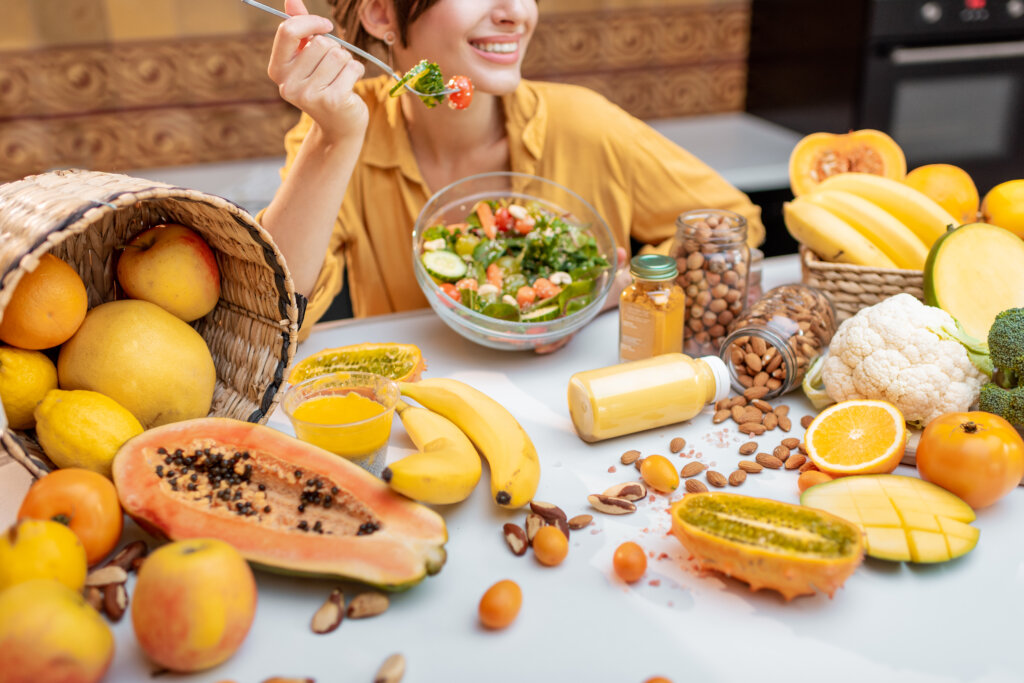
If you’re thinking about getting a rhinoplasty, you should be cautious about what you should and shouldn’t consume afterward. Your food after nose surgery is critical since it has a direct impact on your recovery comfort, as it can minimize or increase discomfort. Maintaining a healthy diet is essential for supporting healing and achieving the best possible facial aesthetics after a nose job.
While it may appear to be a straightforward task, understanding what to eat and what to avoid can be challenging. That is why we have written this post to give you comprehensive advice on your rhinoplasty diet (also known as a nose job diet).
Why Is Knowing What to Eat After Rhinoplasty Important for the Healing Process?
Your rhinoplasty diet surgery is extremely important since it may make your recovery time more pleasant and expedite your recovery. It can help you get the most out of your rhinoplasty and reduce post-operative complications. As a result, it’s critical to understand which foods can aid your body’s recovery following surgery. That is because the appropriate diet supports maximum healing. A proper diet rich in amino acids and vitamin C is essential for collagen production, which is crucial for tissue repair after surgery.
Furthermore, the body finds it difficult to digest food after rhinoplasty for a variety of reasons. Including general anesthetic, narcotic pain medicines like opioids, and electrolyte or fluid imbalance. As a result, many people have constipation following rhinoplasty, and the best method to avoid and treat it is to eat the correct foods. Certain nutrients, such as vitamin K, can support blood clotting and help prevent excessive bleeding or bruising, which promotes faster healing.
What Your Rhinoplasty Diet Should Be Before Surgery?
Three weeks before surgery, begin a balanced multivitamin regimen under the guidance of your doctor. Before surgery, you should take the recommended quantity of vitamins, but not too much of any one vitamin, with the exception of vitamin C. According to research, a high vitamin C consumption might help wounds heal quicker after cosmetic surgery. Vitamin C also supports collagen production, which is vital for tissue repair and recovery. However, if you take too much vitamin E, you may experience greater bruising and bleeding before and after surgery.
- Vegetables and Fruits
A healthy, balanced rhinoplasty diet often includes fruits and vegetables. They are, however, ineffective when it comes to prepping for surgery. Patients are advised to avoid eating high-fiber meals for 24 hours prior to surgery. Fruits, vegetables, and whole grains take longer to digest than other foods, so it’s crucial to keep your stomach empty before surgery.
- Protein
Protein is the body’s second-largest building block and is required for tissue growth and repair. Proteins make up our organs, hormones, red blood cells, immune system, and enzymes. Protein consumption is required to satisfy daily demands, prepare the body for rhinoplasty, and aid tissue recovery. Protein-rich foods supply the amino acids necessary for tissue repair and wound healing.
Including foods rich in monounsaturated fats, such as olive oil and avocado, can help reduce inflammation and support tissue healing before surgery.
What Soft Foods Should Be Included in Your Rhinoplasty Diet After Surgery?
- Avoid Eating Chewy Foods
Place your palm on your nose while chewing a very chewy meal, such as a steak or even a piece of gum, before surgery. The chewing process causes your nose to shift slightly. While a little movement is good under normal conditions when your nose recovers following surgery. However, you want it to be as still as possible to decrease the risk of problems. Remember that you are not restricted to a soft, mushy rhinoplasty diet for weeks following surgery.
- Soft Meals
You can feel peckish when you arrive home following surgery, or even when the anesthetic or sedative wears off. Soft, gentle, or bland meals are normally recommended shortly after surgery. Examples of bland foods include rice, pasta, chicken, and oatmeal—these are easily digestible foods that help avoid irritation and promote healing. Choose from yogurt, oats, or a warm soup. Depending on how queasy you are, you may want to keep to clear liquids following surgery in case eating causes you to vomit. Continue eating soft meals for a few days following surgery, or until you feel well enough to experiment with new textures. During this period, eat soft foods and avoid hard foods like raw carrots, which can cause discomfort and interfere with healing.
- Fiber
Although you should stick to soft-ish meals during the first few days following rhinoplasty, it’s critical to obtain enough fiber in your rhinoplasty diet. Constipation is frequent following surgery, due to a combination of drugs, not moving about as much as normal, and eating a restricted diet. You should continue to take the medications suggested by the surgeon and minimize your physical activity. You may assist things along with increasing your fiber intake. Soft fruits like peaches and berries, as well as oatmeal, extremely well-cooked vegetables like carrots, and whole-grain breads, are high in fiber. Fiber rich foods such as cooked vegetables and whole-grain bread support digestive health and normal bowel movements after surgery.
Avoid extremely cold foods and cold foods post surgery, as these can increase tissue sensitivity and discomfort during recovery.
Freshly squeezed fruit juices can help maintain hydration and support recovery, while green tea may help reduce excessive inflammation due to its anti-inflammatory properties.
As nose job recovery progresses, patients can gradually transition from soft foods to more solid foods and eventually to solid foods as tolerated.
Foods and Beverages to Avoid After Rhinoplasty
After rhinoplasty surgery, your food choices can significantly impact your healing process and overall comfort. Certain foods and beverages are best avoided to ensure a smooth recovery. Spicy foods and spicy meals, for example, can irritate your nasal passages and may even raise your blood pressure, leading to increased swelling and discomfort. Salty foods and salty snacks can cause your body to retain water, which can worsen post-surgical swelling and slow down the healing process.
Hard or crunchy foods, such as raw vegetables, nuts, or crunchy snacks, require more effort to chew and can put unnecessary strain on your facial muscles. This extra movement can interfere with the delicate healing of your nose after rhinoplasty surgery. It’s best to steer clear of these foods until your surgeon gives you the green light to resume a normal diet.
Processed foods and sugary drinks should also be limited, as they often contain additives and high levels of sugar that can promote inflammation and hinder healing. Caffeinated beverages like coffee, energy drinks, and soda can increase blood pressure and may interfere with your body’s ability to recover efficiently. By avoiding these certain foods and drinks, you can help reduce the risk of complications and support a faster, more comfortable recovery.
Rhinoplasty Recovery Tips
For the best results after rhinoplasty surgery, following a thoughtful recovery routine is key. In the first week, focus on eating soft foods that are gentle on your healing nose and easy to digest. Options like scrambled eggs, mashed potatoes, and cooked vegetables provide comfort and essential nutrients without putting stress on your facial area. These foods help you maintain energy and support tissue repair during the initial recovery period.
Staying hydrated is equally important—drink plenty of water and avoid caffeinated beverages, which can dehydrate you and potentially slow down wound healing. A balanced diet rich in protein, vitamin C, and other essential nutrients will help your body rebuild tissue and promote optimal recovery. Foods high in vitamin C, such as citrus fruits and fresh vegetables, are especially beneficial for wound healing and boosting your immune system.
In addition to your rhinoplasty diet, make sure to get plenty of rest and avoid strenuous activities that could disrupt the healing process. Always follow your surgeon’s instructions closely, as they are tailored to your specific needs and will help minimize the risk of complications. By combining a nutrient-rich diet with proper self-care, you’ll set yourself up for a smooth and successful recovery.
Creating a Personalized Diet Plan for Rhinoplasty Recovery
Designing a personalized diet plan for rhinoplasty recovery means taking your unique nutritional needs, lifestyle, and health conditions into account. Start by focusing on foods that provide the essential nutrients your body needs for tissue repair and wound healing, such as protein-rich foods, vitamin C, and omega-3 fatty acids. Including soft foods like lean meats, scrambled eggs, and cooked vegetables ensures you get enough protein and vitamins without straining your healing nose.
Incorporate high fiber foods and anti inflammatory foods, such as leafy green vegetables, whole wheat bread, and fresh fruits, to support normal bowel movements and reduce inflammation during your recovery process. Nutrient dense foods like brown rice, fatty fish, and olive oil can further promote optimal healing and help your body recover efficiently after your rhinoplasty procedure.
If you have specific dietary restrictions or health concerns—such as diabetes, gluten intolerance, or food allergies—work with a healthcare professional or registered dietitian to create a plan that meets your needs. A well-balanced, personalized rhinoplasty diet will not only support tissue healing and minimize complications but also help you return to your normal diet and daily activities as quickly as possible. By prioritizing essential nutrients and making thoughtful food choices, you’ll give your body the best chance for a smooth and successful rhinoplasty recovery.
After Rhinoplasty, How Long Until You Can Return to a Normal Diet?
The recuperation period following a rhinoplasty treatment usually lasts one week.It can last up to two weeks in some situations. Therefore it’s crucial to stick to this diet throughout that time. After that, you can gradually return to your regular diet.
Caffeine and alcohol should be avoided for at least 6 weeks following your rhinoplasty. It is also critical that you refrain from smoking following your operation.Most importantly, you should be aware that we have only discussed general dietary guidelines to follow during your rhinoplasty recovery period in this article. However, because each patient is unique, don’t hesitate to consult your doctor for more specific dietary guidelines for your rhinoplasty diet.
For more information on this, visit our Smile Team website.
https://smileteamturkey.com/blog/hair-transplant-in-summer/.