
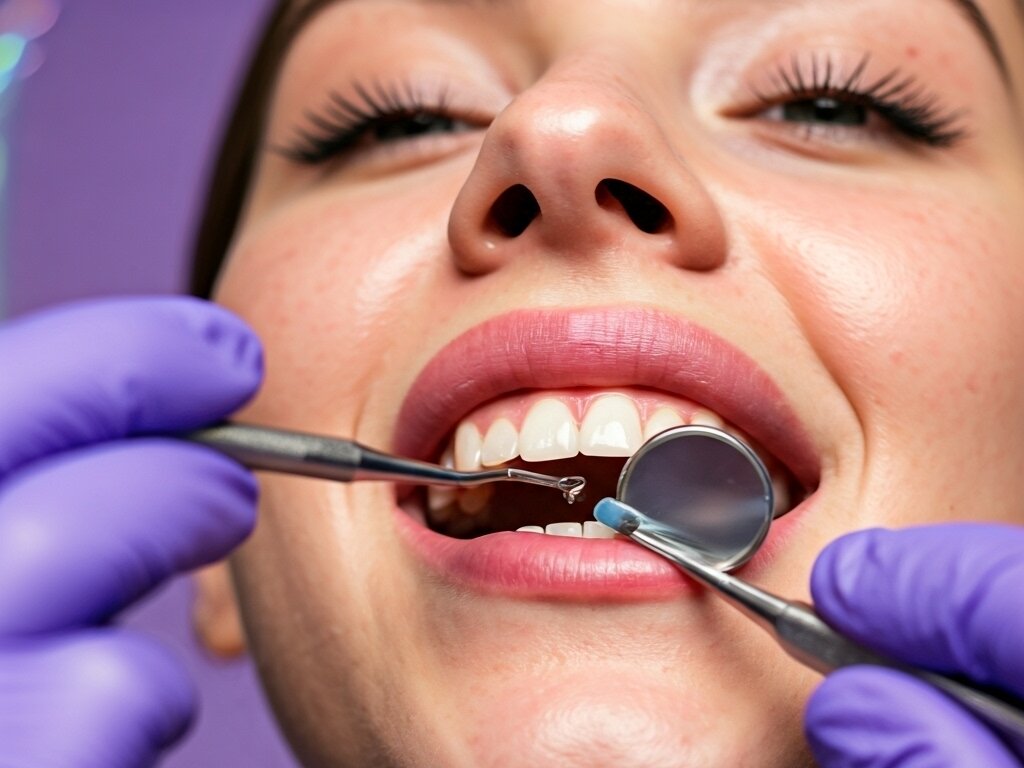
Dental plaque forms on every tooth surface, often without immediate signs of trouble, yet its accumulation influences far more than appearance. Understanding dental plaque causes, prevention, and treatments allows for early recognition of the biofilm before it hardens into tartar or contributes to gum disease. The sections below walk through why plaque develops and how it can be managed before it advances further.
What Is Dental Plaque?
Dental plaque is a soft, sticky film composed of bacteria, food particles, and saliva that forms continuously on the surface of teeth. Within hours of brushing, a new layer begins developing, since the mouth is never truly a sterile environment. This is a normal biological process rather than a sign of neglect, though its consequences depend heavily on how consistently it gets disrupted.
The composition of dental plaque includes a wide range of bacterial species living within a structure known as a biofilm. This biofilm allows bacteria to adhere firmly to enamel, communicate with one another, and resist casual removal. When left undisturbed, the bacteria inside this film metabolize sugars from food and release acids that erode enamel, setting the stage for cavities and, eventually, gum disease.
Composition of Dental Plaque
The matrix holding plaque together consists of proteins from saliva, polysaccharides produced by bacteria, and remnants of the food consumed throughout the day. This combination creates an environment where bacterial colonies multiply rapidly, particularly along the gumline, between teeth, and in the grooves of molars where a toothbrush often struggles to reach.
What Causes Dental Plaque?
Several everyday habits and conditions contribute to plaque accumulation. Recognizing these factors makes prevention considerably more intuitive.
- Inconsistent brushing and flossing, which allows bacterial colonies to mature undisturbed
- Frequent consumption of sugary or starchy foods, which feed plaque-forming bacteria
- Dry mouth conditions, since saliva naturally helps wash away food debris
- Smoking or tobacco use, which is linked to faster plaque and tartar buildup
- Crowded or misaligned teeth, which create hard-to-clean surfaces
- Certain medications that reduce saliva production as a side effect
A diet heavy in refined carbohydrates deserves particular attention, since sugar residue left on teeth becomes an immediate fuel source for oral bacteria. Tobacco use is also widely recognized in dental literature as a contributor to faster plaque and tartar accumulation compared to non-smokers.
Dental Plaque Formation Stages
Plaque does not appear all at once. Instead, it develops through a predictable sequence, and understanding these stages clarifies why timing matters so much in prevention. The table below outlines the general progression from the first film on enamel to full mineralization into tartar:
| Stage | Timeframe | What Happens |
| Pellicle formation | Within minutes | A thin protein film from saliva coats the enamel surface |
| Early bacterial colonization | A few hours after eating | Bacteria begin attaching to the pellicle layer |
| Biofilm maturation | 24-72 hours | Bacterial colonies multiply and form a resilient structure |
| Mineralization into tartar | 24-72 hours if undisturbed | Plaque hardens into calculus, which brushing alone cannot remove |
This timeline explains why dental professionals emphasize daily disruption of plaque rather than occasional deep cleaning alone. Once the biofilm matures past this window, home care tools lose most of their effectiveness against it.
Plaque vs. Tartar: Understanding the Difference
Confusion between plaque and tartar is common, yet the distinction matters for how each is managed. Plaque is soft, colorless, and removable through regular brushing and flossing. Tartar, also called calculus, forms when plaque is left in place long enough to mineralize using calcium and phosphate from saliva.
Once tartar forms, it bonds firmly to the tooth surface and beneath the gumline, where a toothbrush cannot reach it. Removing tartar typically requires a dental instrument called a scaler, used during a professional cleaning. Left untreated, tartar accumulation is strongly associated with both tooth decay and the progression of gum disease.
Symptoms and Health Risks of Dental Plaque
Recognizing the early signs of dental problems allows for simpler, less invasive treatment before complications develop. Several signs may indicate that plaque has become a concern rather than a routine occurrence:
- A fuzzy or rough texture on the teeth, especially noticeable with the tongue
- Persistent bad breath that does not resolve after brushing
- A dull yellow tint developing along the gumline
- Red, swollen, or bleeding gums during brushing or flossing
These symptoms are worth discussing with a dentist rather than dismissing, since early intervention tends to be far simpler than addressing advanced complications later.
Potential Health Risks Beyond the Mouth
Oral health connects to overall health in ways that are easy to underestimate. Untreated plaque and tartar buildup contribute to cavities and periodontal disease, both of which can eventually lead to tooth loss in advanced cases. Research has also connected chronic gum inflammation with systemic conditions, including cardiovascular disease, since oral bacteria and inflammatory markers can enter the bloodstream. According to the CDC, untreated oral infections have been associated with broader health complications when bacteria spread beyond the mouth. This connection is one of the clearer reasons oral hygiene deserves the same seriousness as other areas of preventive healthcare.
How to Prevent Dental Plaque
Prevention rests on a combination of daily habits and periodic professional support. A consistent routine tends to outperform occasional intensive effort. The following habits, several of which align with American Dental Association guidance, form the core of an effective plaque-prevention routine:
- Brushing twice daily for two minutes with fluoride toothpaste
- Flossing once daily to clear plaque from between teeth
- Rinsing with an antibacterial or fluoride mouthwash after meals when brushing isn’t possible
- Replacing a toothbrush every three to four months, or sooner if bristles fray
- Limiting sugary snacks and beverages between meals
- Drinking water throughout the day to support saliva production
The Role of Nutrition in Plaque Prevention
Food choices influence plaque development as much as hygiene habits do. Diets rich in fibrous vegetables, lean protein, and calcium tend to support enamel strength and reduce the fuel available to plaque-forming bacteria. Crunchy vegetables like carrots and celery even offer a mild mechanical cleaning effect while chewing. Meanwhile, sticky or sugary snacks cling to tooth surfaces longer than most people realize, extending the window bacteria have to produce acid.
Regular Dental Checkups and Cleanings
Even meticulous home care benefits from professional oversight. The American Dental Association notes that regular dental visits play a key role in the prevention and treatment of oral disease, allowing for early detection of plaque buildup in hard-to-reach areas, along with professional polishing that removes what a toothbrush cannot. During these visits, a dentist can also identify early gum inflammation before it progresses toward periodontal disease.
Dental Plaque Treatment Options
When plaque has already progressed, especially into tartar, home remedies alone are typically insufficient. Treatment generally falls into two categories.
Professional Dental Cleanings
A dental hygienist uses specialized instruments to remove hardened plaque and tartar from both the visible tooth surface and areas just beneath the gumline. This process, often paired with polishing, is considered the most reliable method for fully clearing buildup that has already mineralized. Scheduling this type of cleaning twice yearly is a widely recommended baseline, though individual needs may vary based on oral health history.
At-Home Plaque Removal Techniques
Between professional visits, several supportive techniques can help manage plaque:
- Oil pulling, a practice involving swishing oil (commonly coconut or sesame) in the mouth, has shown some evidence of reducing oral bacteria levels, according to preliminary studies referenced by the National Center for Biotechnology Information
- Baking soda toothpaste, which has mild abrasive properties that may help loosen surface plaque as part of a regular brushing routine
- Electric toothbrushes, which the American Dental Association notes can be used just as effectively as manual brushing when paired with proper technique
These methods work best as a supplement to standard brushing and flossing rather than a replacement for either.
Advanced Treatment for Severe Plaque and Tartar Buildup
In cases where plaque and tartar accumulation has progressed toward gum disease, a non-surgical procedure called scaling and root planing may become necessary. This deep-cleaning technique involves removing plaque and tartar from below the gumline, followed by smoothing the tooth root to discourage future bacterial attachment. It is typically recommended once early signs of periodontal disease, such as pocket formation between teeth and gums, have been identified.
You can reach our previous article from https://smileteamturkey.com/blog/the-pros-and-cons-of-dental-implants-vs-crowns/
Frequently Asked Questions About Dental Plaque
Can dental plaque be completely eliminated?
Plaque cannot be permanently eliminated, since it begins forming again within hours of cleaning. Consistent daily removal, rather than total elimination, is the realistic and effective goal.
How long does it take for plaque to turn into tartar?
Plaque generally begins mineralizing into tartar within about 72 hours if it isn’t disrupted through brushing or flossing, though this timeframe can vary based on individual saliva composition.
Is plaque buildup more common with age?
Age itself is less of a factor than accumulated habits and conditions such as dry mouth, which becomes more common with certain medications often prescribed later in life.
Does mouthwash alone prevent plaque effectively?
Mouthwash offers a helpful supplementary layer of protection, but it isn’t a substitute for the mechanical action of brushing and flossing, which physically disrupts the biofilm structure.
Are there early warning signs of plaque-related gum disease before pain appears?
Bleeding during brushing, subtle gum swelling, and persistent bad breath often appear well before any pain develops, making early attention to these signs particularly valuable.